
Beyond earthly trappings: Biodiversity and planetary protection through cosmic dimensions and space explorations 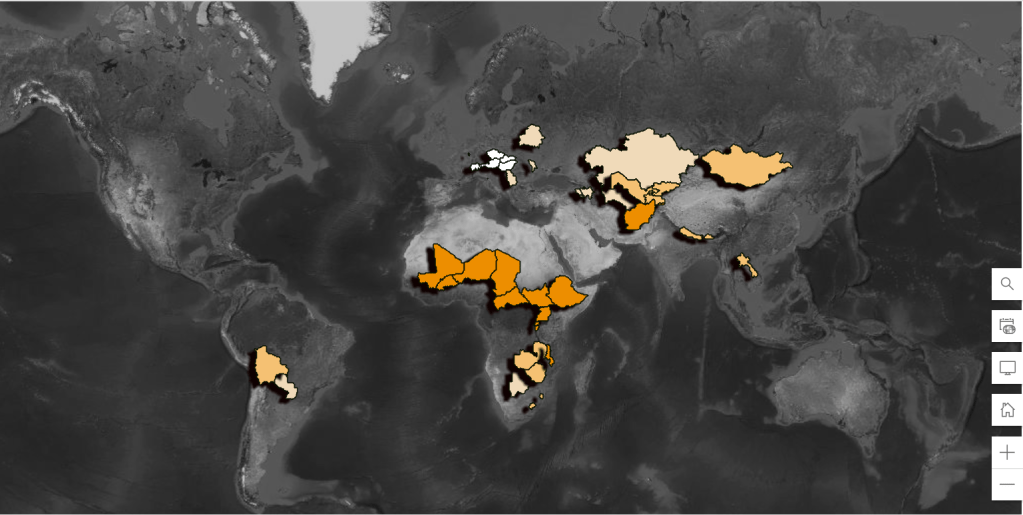
The landlocked ocean: Landlocked states in BBNJ negotiations and the impact of fixed land-sea relations in global ocean governance. 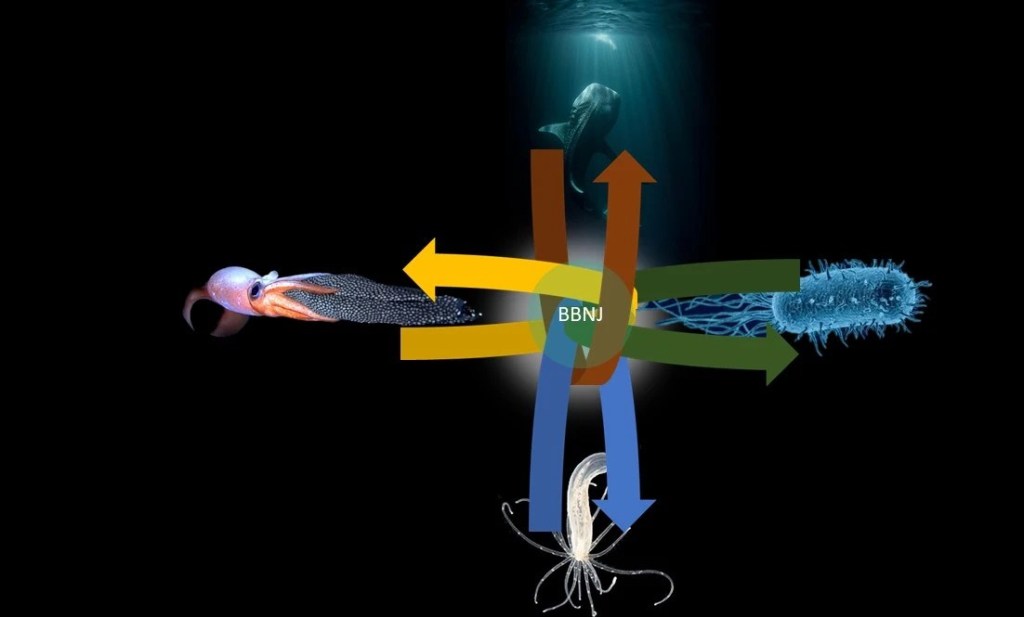
Protecting the Last Frontier: A Conceptual and Legal Nexus for Marine Biodiversity in the BBNJ under UNCLOS 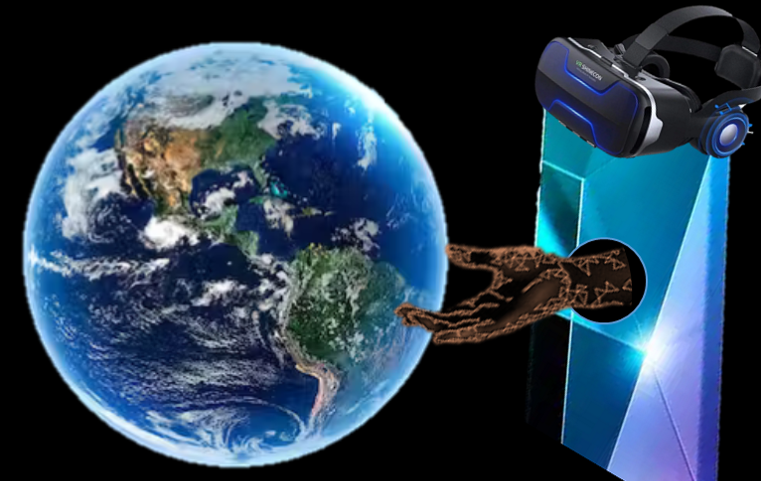
Tangible worlds, virtual perceptions: Exploring the complexity of marine biodiversity representation, through museum collections, screens, and cyberspace


Research and Projects
Research statement
Read the research statement here
My background in biological sciences involved topics from the traditional natural science like ecology and microbiology and linking them to social sciences in theory and practice such as conservation and management. I have since received further training in each of the fields including a diploma in international ocean law and policy. In my PhD work, I investigated the abstractions of biodiversity, scale and difference in space, exploring ecological, social, political and governance, entanglements amidst advancement in science and technology.
In other words, my primary research interests lie at the intersections of power and knowledge from scientific or logical to emotional, ecological, social, profane, sacred, geo- and biophysical, considering both utilitarian and intrinsic values. I am interested in how various knowledge systems and institutional frameworks make sense of natural and cultural landscapes, especially in the often-overlooked frontiers, including the non-human agents, indigenous and “remote” communities, oceans and outer space. I grapple with the complexities that arise when subjectivity meets the assumed objectivity required by some scientific frameworks and policies for management of dynamic spaces. From investigations of global governance structures and engagement with local communities to analyses of social and scientific management strategies, I utilise both quantitative and qualitative methodologies in my work. Each time, I develop new innovative and creative approaches for data collection, analyses and representation. Through these experiences, I have cultivated a diverse network, gained a global perspective on various issues and will continue to frame my research for the coming 5-10 years following some of the aspects listed here below.
Ocean and outer Space
Ocean space contributes to new ways of knowing by thinking with its dynamic flows that convolute spatial practices in management. Often represented as natural, essential objects, the legal interpretation of ocean space codified in international treaties such as the United Nations Convention on the Law of the Sea presents challenges in the management of mobile human and non-human entities. Along with the discursive and material aspects of land/sea boundary drawing, my research confronts the tensions that arise when policy meets the constantly shifting and consistently rising sea/land interface. By placing these boundary-drawing practices within their scientific and social processes such as international negotiations and colonial history of various communities including that further inland, like landlocked states, my findings call attention to how science, law and policy frames and is framed by these processes and only used to legitimise governance structures.
My primary data collection methods for this track include stakeholder interviews, social-legal analyses, participatory methods and archival research. This track contributes to a larger agenda that combines space studies with the theoretical frameworks of science and technology studies. It expands my focus to include the outer space, examining the intersections of radical cross-border thinking, environmental ethics, and sovereignty movements within the context of space exploration.
In collaboration with Assistant Professor Katherine Sammler from the University of Twente, we are working on a project exploring biodiversity and planetary protection within the context of cosmic dimensions and space exploration. Our findings so far reveal competing interests regarding the extension of terrestrial politics and logics into outer space, including becoming an arena for capital accumulation. However, we also identify opportunities to manifest and understand horizontal social relations within this vertical environment. Furthermore, I have established collaborations with legal scholars from NASA and NOAA for this project, aiming to enrich our understanding of the legal and scientific frameworks governing outer space activities.
Revisiting dynamic territories terrestrially
In this track, I am actively engaged in crafting a program for implementing Ecosystem-based Management (EBM) approaches, recognized as a pivotal framework for tackling environmental challenges on both global and national fronts. Despite notable achievements, EBM encounters pragmatic hurdles, particularly in politically charged environments and culturally fragmented land/seascapes. These obstacles encompass the integration of terrestrial and marine ecosystems into EBM, the incorporation of diverse stakeholder perspectives, and the navigation of institutional and knowledge system disparities.
The primary objective of this program is to explore these challenges and propose effective solutions by analysing the obstacles and opportunities for EBM implementation in local contexts and across international platforms. Leveraging network theory, the aim is to map out the complexities of fragmented socio-ecological systems and offer insights that can guide strategies for successful EBM within the realm of global environmental governance, particularly amid the uncertainties of future environmental scenarios.
In pursuit of this goal, I have forged partnerships with various local and indigenous communitiwa and institutions including but not all, the Micronesia Conservation Trust and the Institute for Marine Sciences in Zanzibar.
Bridging collections, representations and research
My work also encompasses the pivotal role of collections in museums and other institutions, transitioning from physical to virtual representations. It all began with my background as an ecologist conducting biodiversity surveys in East Africa. These surveys required collecting birds and small mammals for identification and tissue sampling within the rich cultural and natural landscapes of the region.
Subsequently, I engaged in specimen preparation and curation, with the data contributing significantly to the IUCN Red List for Ugandan mammals in 2016, where I served as a co-assessor. This foundational experience inspired me to pursue a master’s degree in biodiversity and collection management at the Senckenberg Museum in Germany. There, I broadened my expertise in museum operations, including morphological and molecular taxonomy, systematics, and nature-cultural representations.
Since then, I have provided consultancy services to natural history collections in Africa and Europe, including in countries like Uganda, Kenya, Tanzania, Rwanda, Switzerland and Germany. Additionally, I have delivered presentations for esteemed institutions like the Birmingham Museum Trust. My interests span various topics, including the role of museums in conservation and big game hunting, exploring colonial legacies through exhibitions and associated imagery, and scrutinizing the provenance of natural and cultural artifacts in European/Western contexts.
I use museums as platforms for critical inquiry, delving into the significance of collections and Western science in perpetuating dichotomies such as “wilderness” versus “civilization,” “self” versus the “other,” and legitimate versus illegitimate, with profound implications for broader conservation discourses. In my doctoral research, I extend this inquiry to examine how environmental management adapts to the digital age. This involves considering the complexities of representing and addressing environmental issues across terrestrial, marine, and other environments in digital databases, and exploring the social relations that emerge from these representations. I seek to further this research agenda.
Publications
Published
Towards a broader perspective on marine biodiversity change
Hillebrand, H., Baums, I.B., Beng, KC.C…Sebuliba, S. et al. 2025
In Marine Biodiversity
https://doi.org/10.1007/s12526-025-01587-0
Read abstract
Biodiversity decline jeopardizes the foundation of natural ecosystems and human well-being, a concern that prompted major global agreements aiming to bend the curve towards a net positive biodiversity future. Still, the critical importance of safeguarding the diversity of life is far from receiving the attention it deserves, especially in marine settings. To understand (and overcome) the current limits of biodiversity mainstreaming, we integrate insights from the natural and social sciences to offer guidance on how to navigate the seemingly overwhelming complexity of this issue. We start by comparing biodiversity change to climate change to capture key distinctions in their multifaceted and context-dependent nature. Unlike climate change, the status and trends of biodiversity cannot be reduced to a single metric or target. Instead, effective biodiversity governance must focus on understanding how biodiversity is affected and how habitat extent, population size, or trends in composition capture these changes. The rise of molecular data promises to improve the representativeness of assessments and foster mechanistic understanding of the processes involved. Yet, it does not eliminate the need for effective communication of these issues to invoke meaningful action. Given its links to human well-being, biodiversity has a high chance of being engaging, but practitioners and scientists only marginally capitalize on the social, health, economic, and emotional values of their subject. Thus, we advocate for extending the assessment of biodiversity change and its functional consequences to include human values and emotions as an integral part of biodiversity reporting. Such a holistic framing, accounting for the complex spatial and temporal trajectories of biodiversity, will be vital in fostering more effective and inclusive conservation strategies.
Governing biodiversity: ambiguity and fragmentation in the BBNJ Agreement
Sebuliba S. and Sammler, K. 2025
In Ocean and Coastal Management
https://doi.org/10.1016/j.ocecoaman.2025.107913
Read abstract
As the global ecological crisis intensifies, international efforts to conserve biodiversity in Areas Beyond National Jurisdiction (ABNJ) has become increasingly urgent. The Biodiversity Beyond National Jurisdiction (BBNJ) Agreement is widely regarded as a breakthrough in ocean governance, yet it enters a legal and conceptual landscape marked by fragmentation and contested definitions of biodiversity. This article examines how biodiversity is framed, interpreted, and operationalized in the Agreement, as an object of governance, and how this framing may affect its implementation and goals. Combining doctrinal legal analysis, treaty interpretation under the Vienna Convention on the Law of Treaties (VCLT), ethnographic observation of negotiations, and interdisciplinary insights from science and technology studies (STS), political ecology, and the environmental humanities, we trace how biodiversity has been parsed across spatial, legal, and epistemic boundaries to make it governable. For example, the Agreement’s focus on Marine Genetic Resources (MGRs) reflects a pragmatic effort to address benefit-sharing, yet it also emphasizes extractive and commercial logics over more systemic or relational understandings of marine life. Key provisions are used to preserve existing institutional arrangements, offering governance stability yet also reinforcing legal fragmentation of biodiversity. While the Agreement embraces strategic ambiguity by not defining biodiversity to enable consensus and adaptability, it also leaves critical questions open about whose knowledge counts and what values guide biodiversity governance. By highlighting both the promise and limitations of the BBNJ framework, the article argues for more inclusive and ecologically attuned approaches to biodiversity governance beyond national jurisdiction.
“Our fish are not your marine biodiversity”: Tensions in integrating fisheries into the
Sebuliba S., Eylem E. and Sammler K. 2025
BBNJ Agreement.
In npj Ocean Sustainability
https://doi.org/10.1038/s44183-025-00142-5
Read abstract
The 2023 Biodiversity Beyond National Jurisdiction (BBNJ) Agreement aims to conserve and sustainably use marine biodiversity in areas beyond national jurisdiction. However, separating fisheries from broader conservation frameworks has led to fragmented governance. This paper examines how spatial, technological, institutional, and philosophical tensions complicated efforts to integrate fisheries within the BBNJ framework. A qualitative methodology was used to analyse general perceptions of fisheries within marine biodiversity in the context of BBNJ Agreement and negotiations.Statements and interviews with stakeholders, including delegates, fisheries managers, and conservationists, were conducted during and after the BBNJ negotiations. Survey results revealed divergent perspectives on the relationship between fisheries management and marine biodiversity conservation, highlighting the persistent tensions between conservation and sustainable use objectives. These divides must be bridged to support more coherent, inclusive, and effective ocean governance.
Landlocked Ocean: Landlocked States in BBNJ Negotiations and the Impact of Fixed Land-Sea Relations in Global Ocean Governance
In Social Science Perspectives on Marine Biodiversity Governance, POLICY AND PRACTICE REVIEWS, Frontiers in Marine Sciences. Marine Affairs and Policy
https://doi.org/10.3389/fmars.2024.1306386
Read abstract
This article examines the multifaceted dimensions of landlockedness within the realm of international discourse, with a particular focus on its implications for managing global commons. Drawing from socio-legal literature and auto-ethnographic experiences during the recent intergovernmental negotiations for the BBNJ agreement under the 1982 Law of the Sea (UNCLOS) as a case study, the paper prompts essential inquiries into the true essence of being landlocked in the face of global environmental challenges. Beyond traditional geographical definitions, the paper reveals the dynamic nature of landlockedness and underscores the intricate interplay of social, economic, cultural, geographical, and political factors in determining who has access to ocean space and resources and who does not. It emphasizes that landlockedness is not a static legal or physical characteristic but an ongoing process shaped by historical and political constructs. Expanding beyond the national level, the article illustrates how individuals, whether coastal or inland, experience isolation from the ocean, influencing their interactions with, perceptions of, and regulatory proposals for the ocean. This approach illuminates existing paradigms in the access, use, and management of space and resources.
Species on the Move: Disturbance but evolution? The relevance of timescales in Bio invasions
Lenia D Rato and Solomon Sebuliba. 2022
Eco Magazine
Read abstract
Ready for Restitution? Meeting Challenges of Colonial Legacies in Africa’s Collections
Sebuliba S. et al. 2021
BioSciences
Read abstract
Movements have gained momentum within the restitution debate with the aim of taking cultural objects back to Africa. The discussions are vivid. For instance, the Savoy Report stated that Europe’s museums keep an overwhelmingly large share of Africa’s collections, leaving the countries of origin with almost nothing. Indeed, most—if not all—large museums in Europe and North America bear African collections with colonial legacies. Either their specimens originated directly from former colonies or they were obtained in the context of questionable international procedures put in place at the time. As a consequence, the content, interpretation, and representation of indigenous cultural entities in museums are contentious issues of discussion. Undoubtedly, Africa has become a prime region for discussing colonial legacies. It is a debate about moral and power pressure. Go to full article
Sebuliba S. 2020
Peckiana
Read abstract
In the currently escalating debates about restitution of Africa’s heritage, the question remains whether Africa’s museums have the capacity to host and maintain collections while continuing to use them for their intended purpose. This paper is based on a 5-months
survey in 2018 of 17 museums/collection institutions in East Africa; Uganda, Kenya and Rwanda. Staff, citizens and other key stakeholders were interviewed on capacity of institutions as repositories, education centres as well as research infrastructures.
Institutions were compared against a range of indicators. Results indicate that all institutions assessed rate on average very low to moderate regarding collections, exhibitions, research, infrastructure and management. The institutions perform better with respect to representing national/regional identity, their usability in education and being repositories of biodiversity and cultural heritage. The low ratings are mainly attributed to
insufficient personnel and expertise to manage, research, curate and develop collections and exhibitions, to poor buildings and other infrastructure, and to a lack of money and political will to support museum activities in these countries. The paper further discusses the strengths, weaknesses, opportunities and threats for the museum sector in the region and provides recommendations for capacity building therein. For almost all the institutions assessed here, restitution does not seem a realistic option unless capacities for curation are vastly improved.
Meta-genomic study of blood samples from bats, Uganda. International Journal of Infectious Diseases
Rudoler et al. 2018
International Journal of Infectious Diseases
Read abstract
Background: The unique ecosystem of Uganda enables close interaction between humans and wildlife. This milieu creates a hot spot for emergence of infectious diseases. In the last decade bats were found to be a major reservoir of zoonotic pathogens and their proximity to humans provides direct or indirect conditions for spillover events.
Methods & Materials: Whole blood samples were collected from 4 different districts of Uganda (Bundibugyo, Buikwe, Kaabong, Lamwo). RNA from six pools of blood, consisting of 9-26 individual bats, each representing specific location, was extracted by Purelink RNA kit (Invitrogen, Thermo Fischer Scientific) and were subjected to NGS of the transcriptome. Sequencing of RNA samples was performed by Illumina Hiseq 2500 with single 60 bp reads. The results were analyzed using de novo assembly with Velvet, followed by BLAST analysis. Based on these analyses, reads were re-aligned to known virus and Plasmodium genomes using Bowtie and normalized per library by correcting for sequencing depth.
Results: Plasmodium spp. represents between 0.56%-0.74% of total reads. The top 10 normalized read counts obtained, were from Plasmodium berghei, P.falciparum, P. yoeli. and P. chabaudi, at this order. The highest number of reads were related to P. berghei gene and was found in a pool consisting of mixed frugivorous and insectivorous bats at Buikwe district. The highest number of reads related to P. falciparum was obtained from the northern part of Uganda. Noteworthy, the reads of all 4 Plasmodium serotypes were abundantly found in all sampling sites
Conclusion: Three species of Plasmodium primarily maintained in rodents and one species found in humans were found in four different ecosystems in Uganda. Two main points to be stressed include the ability to switch Plasmodium spp. between rodents and bats and the well tolerated and adapted immune responses of bats to newly introduced spp. No viruses have been found
WCS 2016
WCS
Read abstract
Rapid human population growth and land development in Uganda have led to the conversion, clearance, and degradation of once pristine habitats, as highlighted in reports by Uganda’s National Environment Management Authority. While some species can adapt to these changes, others are declining due to pressures such as hunting and habitat loss. Timely access to reliable information on conservation status is crucial for balancing development and conservation needs. This need is acknowledged both domestically and internationally, with ecosystem and wildlife threat assessments becoming integral to environmental impact evaluations. For instance, in compliance with international standards, Tullow Uganda Operations Limited (TUOP) and partners aim to develop oil resources in the biodiverse Albertine Graben region, requiring assessments of critical habitats and threatened species. Collaboration between TUOP and organizations like the Wildlife Conservation Society (WCS) and local authorities aims to compile a comprehensive list of threatened species for conservation efforts. Such efforts are not only vital for biodiversity conservation but also for sustaining economic activities reliant on natural resources, exemplified by declining timber species and iconic animals like the Crowned Crane and lions, which contribute significantly to tourism revenue.
Kityo et al. 2015
Biodiversity Surveys of Murchison Falls Protected Area
WCS
Read abstract
This report summarises the findings of a biodiversity survey of Murchison Falls Protected Area(MFPA – including Murchison Falls National Park, Bugungu and Karuma Wildlife Reserves). Thesurvey shows that MFPA is rich in species and biodiversity with a total known list of 144 mammalspecies, 556 bird species, 51 reptile species, 28 known amphibian species with an additional 23 toidentify (51 species), and 755 plant species. This makes this conservation area relatively biodiverse inthe region although not as diverse as some of the parks further south in the Albertine Rift, such asQueen Elizabeth and Virunga National Parks which also have savannah ecosystems. These surveyshave greatly increased the known number of species for the conservation area, doubling thepreviously known number of reptile species and significantly increasing the number of mammal, birdand plant species from previously published lists. It is likely therefore that with extra survey effortmore species could be found given the short duration and limited sampling of our surveys.While species richness and diversity is high, the number of species that are restricted range (AlbertineRift endemic) or globally threatened on the IUCN global redlist are not so many and mostly restrictedto the mammals, birds and plants. It is potentially possible that the amphibian species that arecurrently being identified using genetic material may prove to be species of conservation concern oreven new species. Of the species we have found for MFPA there are two Endangered and fourVulnerable mammal species; four Endangered and seven Vulnerable bird species; two amphibians areData Deficient, and eight Vulnerable and seven Albertine Rift endemic plant species.Bugungu Wildlife Reserve was particularly rich for certain taxa, notably birds, amphibians and plants,proving to be richer than Murchison Falls National Park for these taxa. It also contained many of theendemic and threatened plant species. This is likely a result of its varied habitats and its proximity toBudongo Forest, but identifies it as being a place of particular conservation value in the landscape
Under review/preparation
Sebuliba et al. 2024
Inclusive participation in the BBNJ biodiversity negotiations: Quantitative and qualitative scenarios for shaping the future of global commons governance
Under revision
Read abstract
This article explores the importance of inclusive representation and participation in the negotiations for the Biodiversity Beyond National Jurisdiction (BBNJ) Agreement and examines the potential implications for the future of global common governance under three engagement scenarios; 1) status quo persistence, 2) inclusive collaboration and 3) fragmented governance. Drawing on quantitative spatial data of participation patterns drawn from official BBNJ negotiation records, analysing of various factors—historical, social, economic, and geopolitical—at individual, regional, and international levels, and a scenario analysis, it assesses the implications of different levels of stakeholder engagement on resource governance beyond national jurisdiction now and in the future. The article highlights the critical role of inclusive governance in contemporary negotiations for global commons and in strengthening international governance regimes, promoting biodiversity conservation and equitable and sustainable resource use.
Key words: International relations, Global commons, BBNJ, Natural resource, Governance, Equity and justice
Fragile foundations: Navigating conservation conflicts and dispute resolution in the BBNJ agreement under the UNCLOS Convention.
Sebuliba et al. 2024
Under revision
Working abstract
International agreements necessitate robust mechanisms for resolving disputes in order to address potential conflicts that may arise during the execution of their mandates. The effectiveness of these dispute resolution mechanisms is of great importance in the field of environmental governance, as they ensure the consistent and just implementation of conservation goals. This article specifically focuses on two key instruments: The 1982 United Nations Convention on the Law of the Sea (UNCLOS), a fundamental treaty governing ocean affairs, and the emerging implementing agreement under the UNCLOS framework, aimed at safeguarding marine biodiversity in areas beyond national jurisdiction (ABNJ), also referred to as the High Seas treaty or the BBNJ Agreement. The BBNJ Agreement and its package of measures (ie. marine genetic resources including the fair and equitable sharing of benefits, area-based management tools including marine protected areas, environmental impact assessments, and capacity-building and transfer of marine technology), has the potential to create tensions in these areas. A coherent dispute settlement mechanism is urgently needed. This investigation conducts a comparative analysis of the dispute resolution provisions in UNCLOS and the BBNJ Agreement, revealing areas of consensus, divergence, and potential conflicts. Examining the role of the International Tribunal for the Law of the Sea (ITLOS), arbitration procedures, and non-party treatment, the research identifies strategies crucial for resolving conservation conflicts. The findings stress the importance of careful interpretation and adaptable approaches in ensuring a coherent and equitable dispute settlement process in international environmental law
Beyond earthly trappings: exploring the cosmic dimensions of biodiversity and planetary protection
Sebuliba et al.
Under preparation, expected 2024
Working abstract
The Beresheet mission, marking the pioneering lunar effort by a private company, captured worldwide attention not just for its lunar crash landing but also for its covert payload, which included microscopic extremophiles—organisms capable of surviving extreme conditions—known as tardigrades. This article delves into the significance of such missions, examining the convergence of human curiosity, technology, and ethical considerations. It further probes the implications of introducing life forms to new environments and how these environments challenge our preconceptions, leading to oversight challenges. Drawing parallels between these investigations and the evolving concept of biodiversity, traditionally rooted in biological classifications and terrestrial frameworks, the article highlights the multidimensional perspectives now encompassed within this field. As technological progress propels exploration into new frontiers like the deep sea and outer space, the notion of biodiversity undergoes a transformation. The article advocates for a reimagining of biodiversity objectives to accommodate shifting social, technological, and scientific dynamics. It emphasizes the need for a flexible and open-minded approach to integrate new information and broader perspectives, especially as humanity redefines the boundaries of life in its pursuit of exploration and discovery. The insights provided are pertinent to scholars in astrobiology, ethics, and biodiversity, as well as policymakers shaping the future of exploration in unfamiliar frontiers and ensuring planetary protection.
Projects
| 2021-present | Biodiversity scale and difference in Marine space, at Alfred Wegener Institute, Helmholtz-Institute for Functional Marine Biodiversity, Germany |
| 2021-2022 | Conservation, big game hunting and handling of sensitive content | Natural History Museum of Bern, Switzerland. |
| 2020-2022 | Knowledge for tomorrow: a graduate summer school on biodiversity and collection management- East Africa and Germany | funded fully Volkswagen foundation, Germany. |
| 2018-2019 | Natural history collections as biodiversity databases in Africa | funded in part, Technische Universität Dresden and Senckenberg Museum of Natural History Görlitz, Germany. |
| 2016 | Socio-ecological studies and tissue sampling for the Centre for Disease Control (birds and mammals) for the Field Museum of Natural History, USA. |
| 2016 | Updating the ecological baseline, socioeconomic data, and management plan for key forest reserves | Bahati and Associates and Ministry of Water and Environment, Uganda. |
| 2016 | The role of bats as arbo-viruses | Makerere University Zoology Museum and Ben-Gurion University Beersheba, Israel. |
| 2014-2016 | Conservation Action Plan for the Albertine Rift: Biodiversity surveys of Murchison Falls Protected Areas, oil exploration areas and critical forest reserves |Wildlife Conservation Society. |
| 2014 | Environmental Baseline Ecological studies for the strategic oil development planning for Total E&P Uganda in Exploration Area 1 | Makerere University Zoology Museum and AECOM Uganda. |
| 2013-2014 | The potential impact of land cover change on the population of Eidolon helvum in Kampala | Makerere University Zoology Museum |
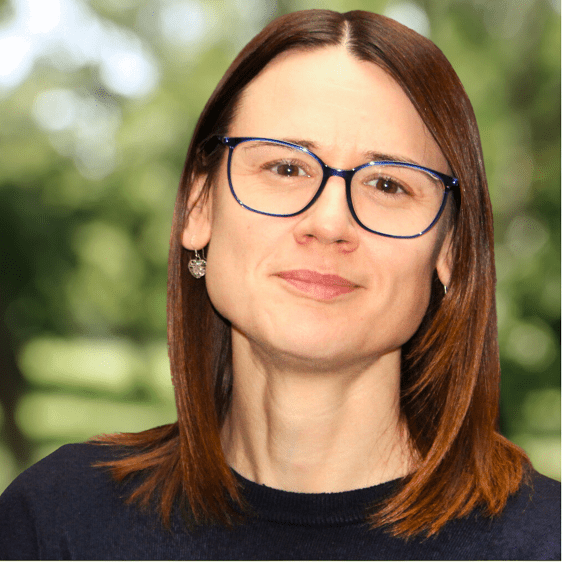
 Solomon Sebuliba